Products > Peptides
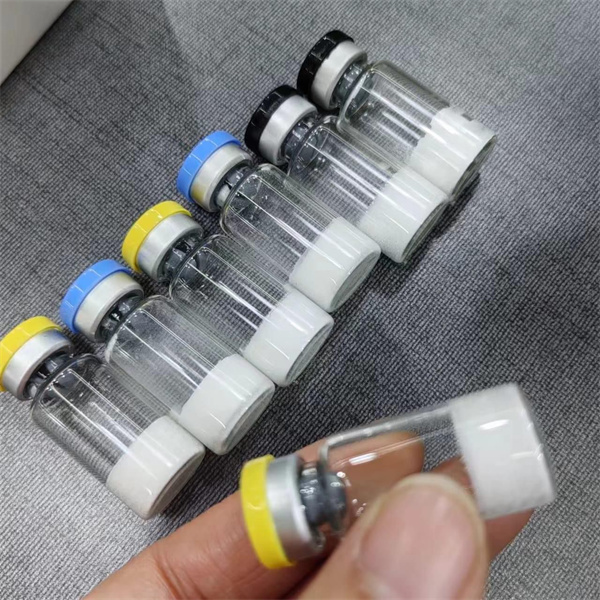
Triptorelin Acetate/GnRH Triptorelin Selank
Basic Info. Triptorelin is a synthetic decapeptide hormone which falls under the gonadotropin-release hormone agoist untilized as the pamoates or acetate salts. (GnRH) utilized as the pamoates or acetate salts.GnRH IS Tritorelin initiates persistent stimlation of the pituitary glands and therefore leads to a decline in the levels of follicle stimulating hormone and gonatropins luteinizing hormone secreted by the pituitary gland.It acheves this function by over stimulating the body's production of these hormones hence leading to a temporary shutdown of their production ...
Read more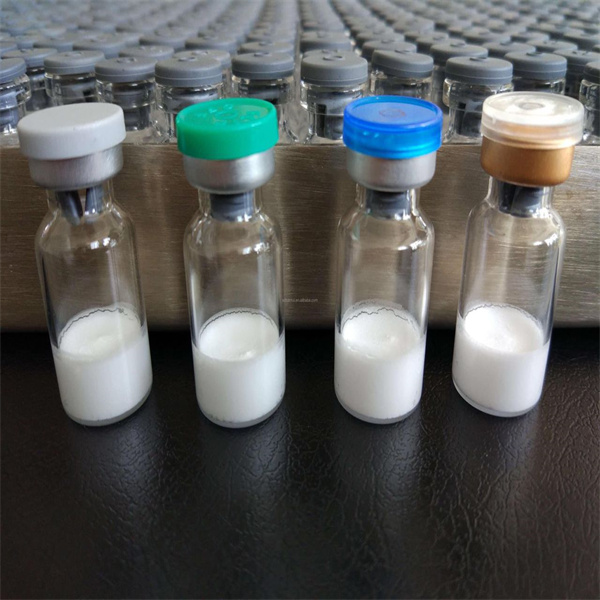
PEG MGF
Basic Info. PEG-MGF (Pegylated Mechano Growth Factor) is a potent anabolic peptide that plays a critical role in muscle repair, growth, and recovery. As a splice variant of IGF-1. PEG-MGF is designed to enhance the body's ability to repair damaged tissues, making it particularly beneficial for athletes, bodybuilders, and individuals recovering from injuries. At TRT MD , PEG-MGF is utilized to accelerate the regeneration of muscle, bone, tendon, and nerve tissues , enabling faster recovery after intense physical stress or injury. Whether your goal is to promote muscle growth, speed up recovery, or enhance cognitive health , PEG-MGF provides a comprehensive solution to help optimize your overall physical performance. ...
Read more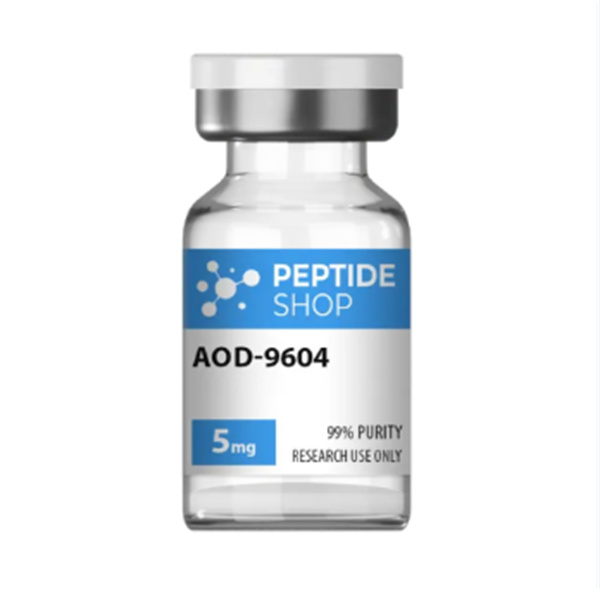
AOD9604
Basic Info. AOD9604 is more effective than its predecessor AOD9401 in stimulating fat breakdown (fat burning) and anti fat generation activity. Like growth hormone. AOD9604 stimulates fat breakdown (fat breakdown or destruction) and inhibits fat production (preventing the conversion of fatty food materials into body fat) ...
Read more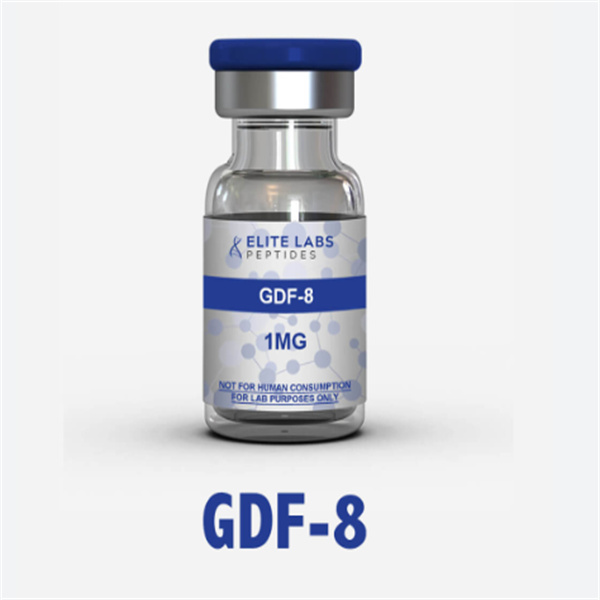
GDF-8
Basic Info. GDF8, also known as myostatin, is a protein that regulates muscle growth. Inhibiting GDF8 or its receptors can promote muscle growth and repair, particularly in cases of muscle atrophy or injury. Studies suggest that GDF8 inhibition may also be beneficial in conditions like obesity, diabetes, and post-traumatic osteoarthritis. ...
Read more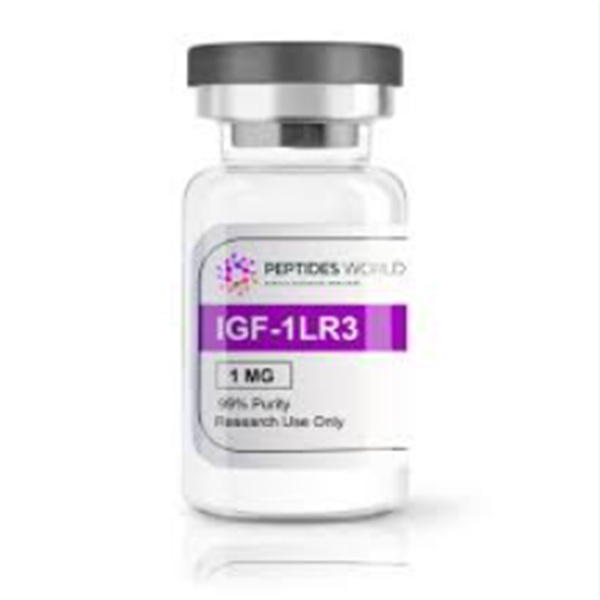
IGF-1LR3
Basic Info. Long arginine 3-IGF-1, abbreviated as IGF-1 LR3 or LR3-IGF-1, is a synthetic protein and lengthened analogue of human insulin-like growth factor 1. The consequences of these modifications are that IGF-1 LR3 retains the pharmacological activity of IGF-1 as an agonist of the IGF-1 receptor, has very low affinity for the insulin-like growth factor-binding proteins (IGFBPs), and has improved metabolic stability. As a result, It is approximately three times more potent than IGF-1,and possesses a significantly longer half-life of about 20–30 hours. ...
Read more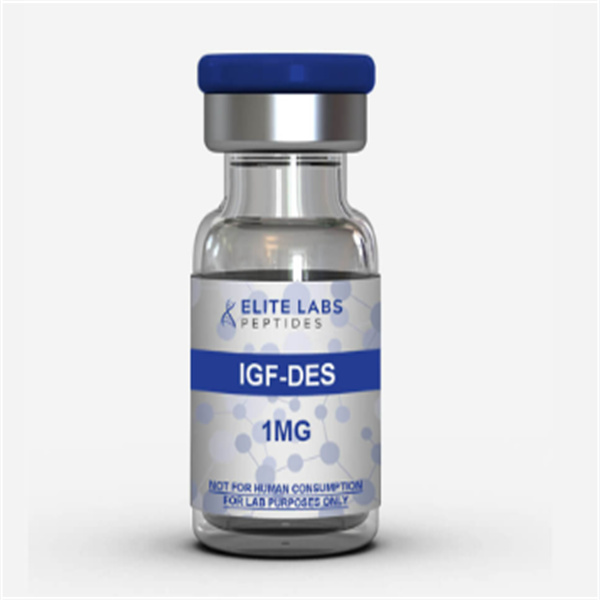
IGF-DES
Basic Info. Des(1-3)IGF-1 is a naturally occurring, endogenous protein, as well as drug, and truncated analogue of insulin-like growth factor 1 (IGF-1).des(1-3)IGF-1 lacks the first three amino acids at the N-terminus of IGF-1 (for a total of 67 amino acids, relative to the 70 of IGF-1). As a result of this difference, it has considerably reduced binding to the insulin-like growth factor-binding proteins (IGFBPs) and enhanced potency (about 10-fold in vivo) relative to IGF-1. ...
Read more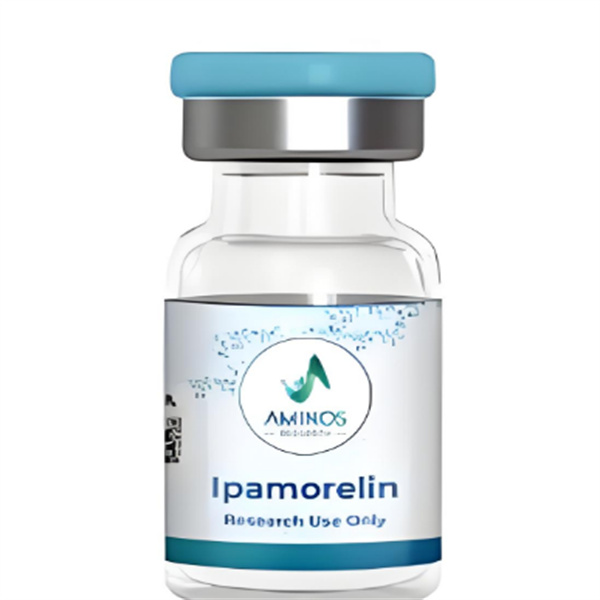
Ipamorelin
Basic Info. Ipamorelin is a peptide selective agonist of the ghrelin/growth hormone secretagogue receptor (GHS) and a growth hormone secretagogue. Ipamorelin significantly increases plasma growth hormone levels in both animals and humans. In addition, ipamorelin stimulates body weight gain in animals. Like pralmorelin and GHRP-6, ipamorelin does not affect prolactin, follicle-stimulating hormone , luteinizing hormone, or thyroid-stimulating hormone levels. However, unlike pralmorelin and GHRP-6, but similarly to growth hormone-releasing hormone , ipamorelin does not stimulate the secretion of adrenocorticotropic hormone, or cortisol, and is highly selective for inducing the secretion only of GH. ...
Read more
Hexarelin Acetate
Basic Info. Hexarelin Acetate is a synthetic hexapeptide in the growth factor family. It stimulates the release of growth hormone (GH) and does not interfere with the body's ability to produce its own GH. Structurally, Hexarelin (Hexarelin Acetate) is similar in structure to GHRP-6 but without the appetite increase because of its inability to drastically increase Ghrelin levels, which is responsible for the increased appetite and quicker gastric emptying. Hexarelin is a synthetic growth hormone secretagogue made from six amino acids. It contains powerful growth hormone-releasing properties in the human body. Hexarelin, in studies over a certain period, has shown that it reduces visceral fat. Hexarelin (Hexarelin Acetate), like other Growth Hormone Releasing Peptides, is most effective synergistically when administered with GHRH such as Sermorelin or Modified GRF 1-29. ...
Read more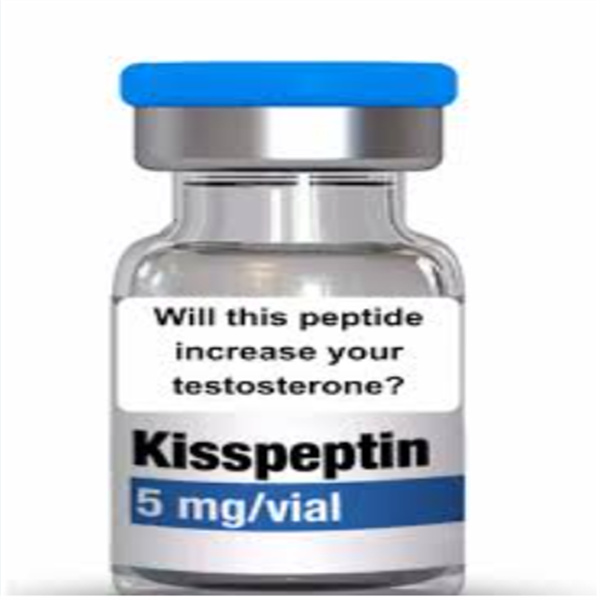
KissPeptin-10
Basic Info. Kisspeptin-10 is a decapeptide that plays a crucial role in the hypothalamic-pituitary-gonadal axis, stimulating the release of gonadotropins and, consequently, reproductive hormones. It is also known to have vasoactive properties , inhibiting angiogenesis and acting as a tumor metastasis suppress or. The studies indicate that kisspeptin-10 significantly increases the content of intracellular collagen in the myocardium. KiSS-10 also elevates the level of phosphorylated focal adhesion The inhibition of FAK negates the stimulatory effect of KiSS-10 on collagen deposition in vitro. ...
Read more
Thymalin
Basic Info. Thymulin (also known as thymic factor or its old name facteur thymique serique) is a nonapeptide produced by two distinct epithelial populations in the thymus first described by Bach in 1977. The hormone is believed to be involved in T-cell differentiation and enhancement of T and NK cell actions. Besides this rather paracrine or auto-organic effects on the thymus dependent immune system, thymulin seems to have neuroendocrine effects as well. There exist bidirectional interactions between thymic epithelium and the hypothalamus-pituitary axis. ...
Read more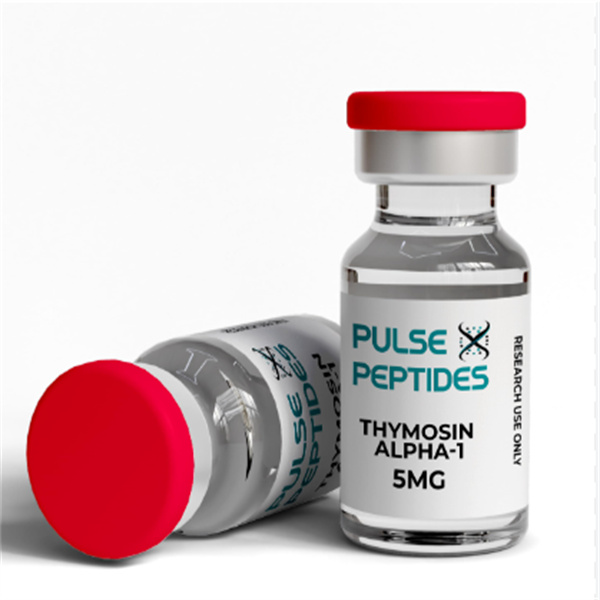
Thymosin Alpha-1
Basic Info. Thymosin alpha 1 (Tα1) is a naturally occurring peptide produced in the thymus gland and is known for its immunomodulatory properties. It's a small protein of 28 amino acids that helps enhance the immune response by stimulating T cells, which are crucial for adaptive immunity. Tα1 has been used in various clinical applications, including treating immunocompromised states, infections, and cancers. ...
Read moreTotal:3 page, with 35 products
Join Our Mailing List
For receiving our news and updates in your inbox directly.

Adhering to the service tenet of "Integrity, Innovation, Harmony, and Win-win", We have established a complete one-stop procurement and comprehensive solution service system.

Need Help?
Free Consultation